Attic Insulation in Victoria Village, ON
Air sealing and blown-in top-ups for Victoria Village bungalows, semis and two-storey houses. We quote after we've looked in the attic.
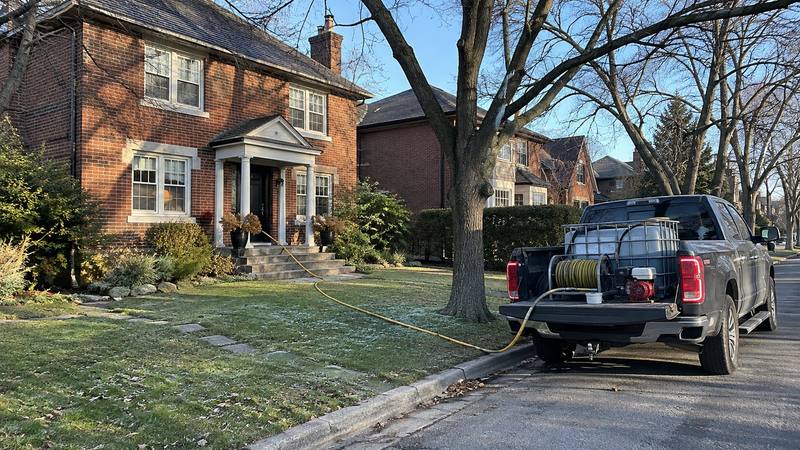
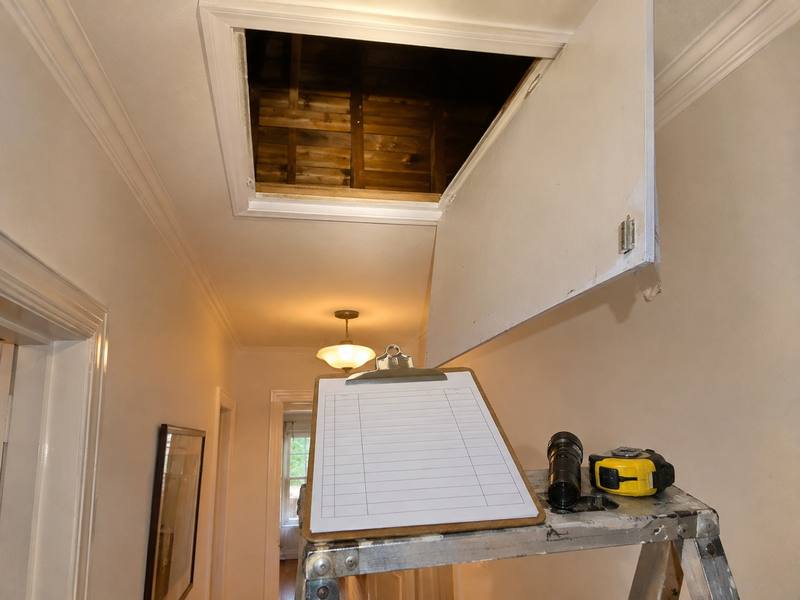
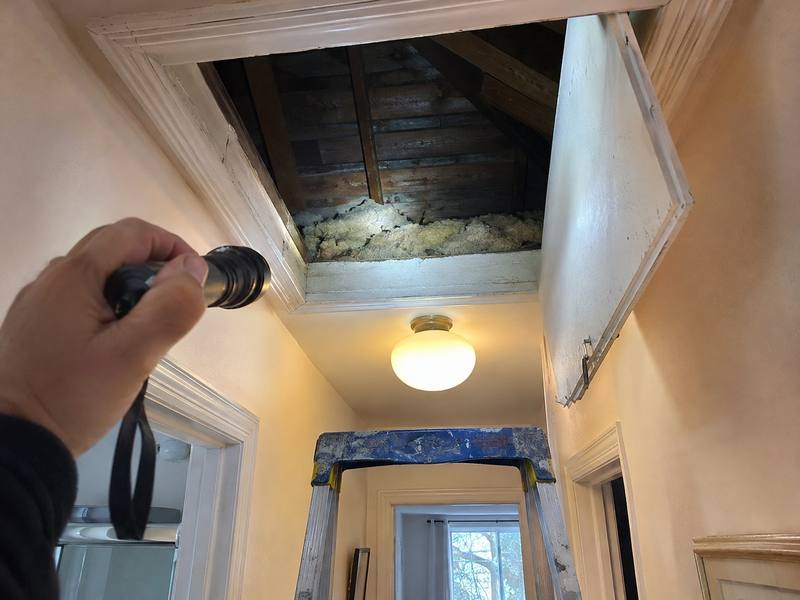
Attic insulation in Victoria Village starts with a look at what is already up there: its depth, its condition and where air is getting through the ceiling. We're about 6 km away. The quote only includes work that will make the house warmer and cheaper to heat.
1950s bungalows in Victoria Village
Victoria Village was built up in the 1950s, mostly with bungalows, plus some semi-detached homes and some two-storey detached houses. A few of those two-storey houses are rebuilt bungalows and others came later. For attic insulation, the bungalows are the ones to think about. A single-storey house has all of its living space under one attic, so every room's ceiling is also the attic floor.
If nobody has added insulation since the house was built, what is up there went in to the standard of its decade and has been settling ever since. With fibreglass batts, look for ones that have flattened or slumped away from the joists. Heat goes straight through every gap at their edges. With loose fill, if you can see the tops of the ceiling joists, the layer is thin.
Grey-brown, pebbly loose fill may be vermiculite. If we find it, we stop, leave it alone and recommend you have it tested by a qualified lab or abatement firm before any work goes ahead. Old insulation that is wet or damaged by rodents is a separate job: attic insulation removal clears it out so the attic floor can be sealed and insulated from a clean start.
Homes beside the Don Valley
Some single detached homes in Victoria Village back onto valley areas, including the Charles Sauriol Conservation Reserve.
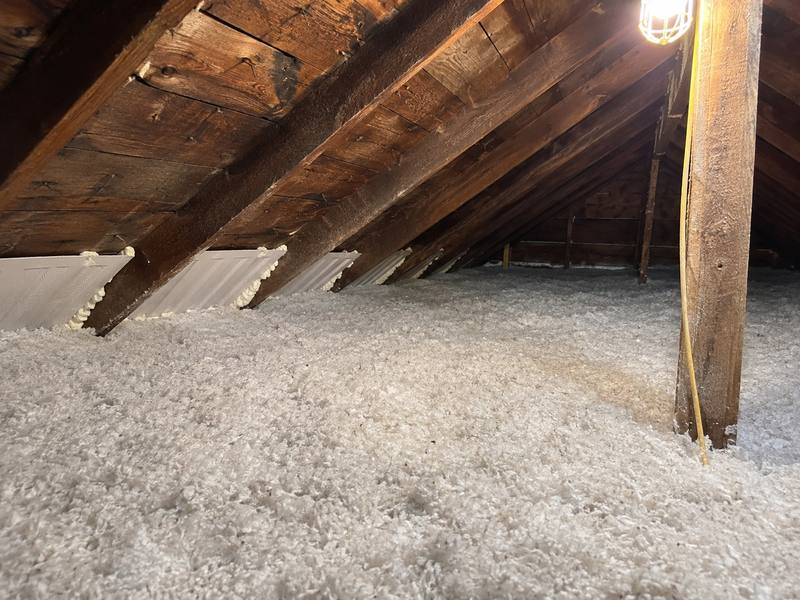
Valley lot or not, any attic is worth an attic ventilation check before more insulation goes in. If your attic has soffit vents, outside air should come in low at the eaves and leave high through a roof or ridge vent, taking with it the moisture that rises from the rooms below. Baffles fixed between the rafters at the eaves keep that channel open, so new insulation can reach the top of the wall without burying the vents.
Sealing and topping up a bungalow attic
Air sealing comes first. Insulation slows heat, but it doesn't stop moving air. Warm air from the house rises through gaps in the ceiling, taking heat with it and carrying moisture into the attic, where it can dampen the insulation and the underside of the roof deck.
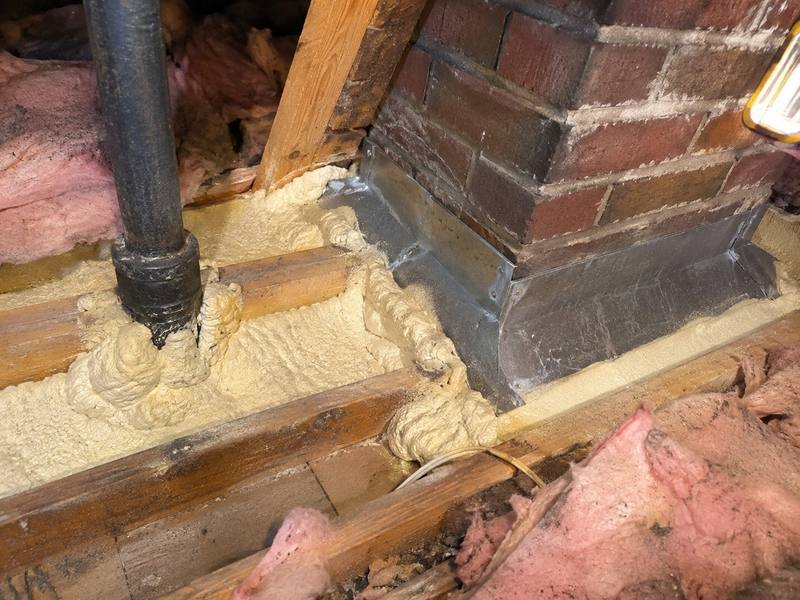
Air sealing closes those gaps before anything gets covered up. We foam or caulk around ceiling light boxes, along the top plates of interior walls where wires and pipes come through, and around the plumbing vent stack. Recessed pot lights that aren't rated for contact with insulation each get a fitted cover first. If a bath fan duct has come loose or just ends in the attic, we reconnect it so the damp air goes outside.
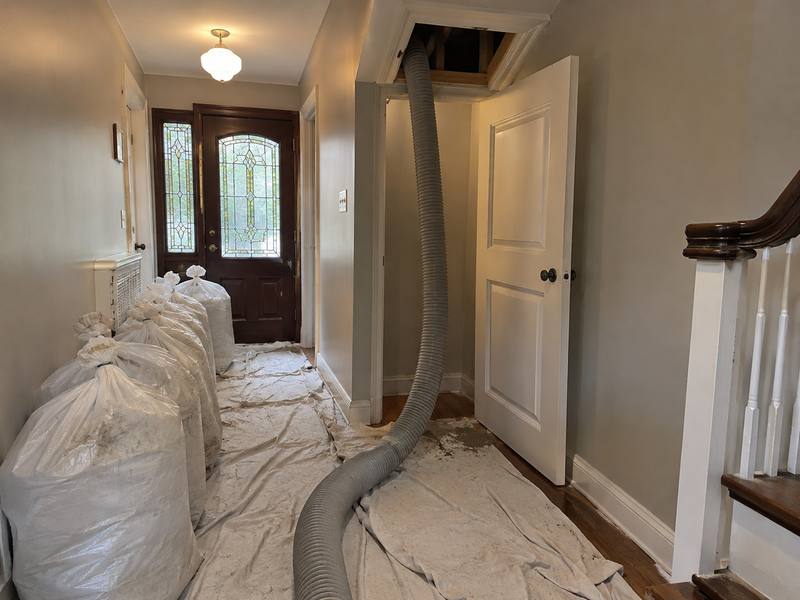
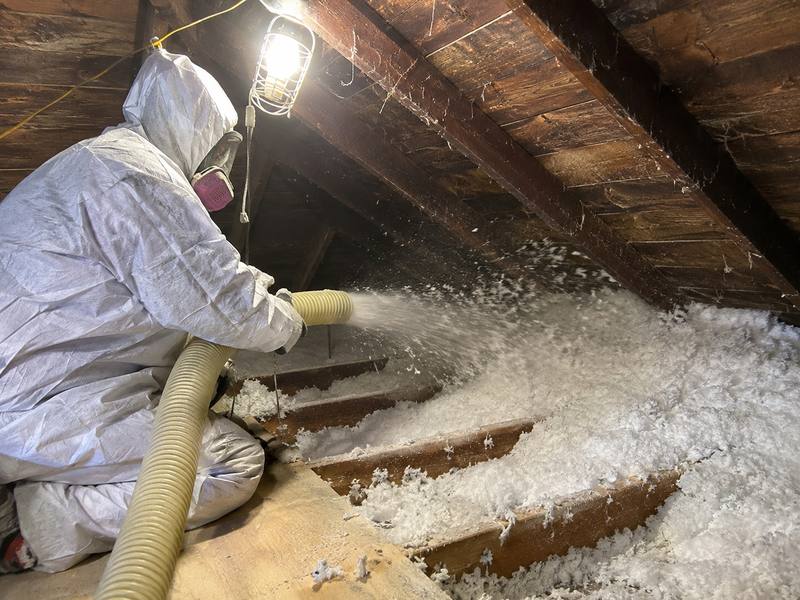
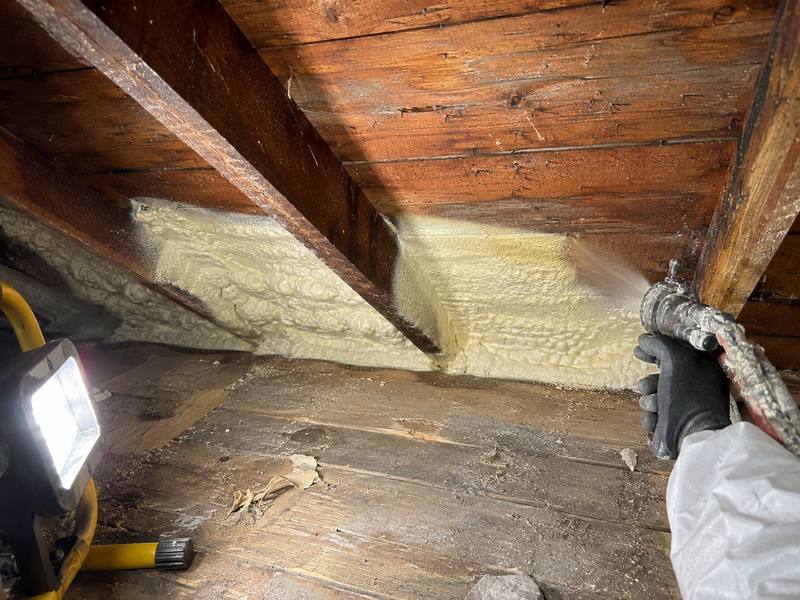
Then the top-up. Blown-in attic insulation is loose cellulose or fibreglass blown over the existing layer. It fills in around joists and wiring and into the gaps old batts leave, until the attic floor is at the depth it needs. With bungalow attic insulation done this way, the old material stays where it is, as long as it's dry and sound. Where a corner is too tight for loose fill to reach, spray foam insulation can seal and insulate that spot in one pass.
Adding or replacing insulation is on the city's list of work that doesn't need a building permit. Zoning rules still apply.
Nearby: Parkview Hill, Woodbine Heights and Don Mills
We also do attics in the neighbourhoods around Victoria Village. Parkview Hill, Woodbine Heights and Don Mills are all close by, and each has its own page with notes on the houses there.
Local details for Victoria Village
- Postal codes: M4A
- Distance: About 6 km away in a straight line
- Permit rules: toronto.ca
- Nearby: Parkview Hill, Woodbine Heights, Don Mills
About Victoria Village: Victoria Village, ON on Wikipedia · Victoria Village on Google Maps
FAQ
Insulation questions from Victoria Village
A 1950s bungalow in Victoria Village probably doesn't, if the attic still holds only what the house was built with. Standards have gone up a long way since the 1950s, and old insulation settles and opens gaps as it ages. The only way to know for a particular house is to check the depth and condition of what's up there.
Yes. Air seal first, because a fresh layer of blown-in insulation covers the gaps in the ceiling and makes them hard to reach afterwards. Sealing around light boxes, the tops of interior walls and the plumbing stack keeps warm, damp household air out of the attic. Then the top-up can slow heat loss instead of having air leak straight through it.
Often, yes, because a rebuild usually brings a new roof and a new attic with it. If the house gained a second storey, the attic now sits above the upper floor and its insulation dates from the rebuild, not the 1950s. We still check the same things: depth, gaps, air leaks at the ceiling and clear ventilation at the eaves.

Next step
Request an insulation visit in Victoria Village
Call us, or send the form with your address and whatever you've noticed upstairs. We'll look at the attic, tell you which of the four outcomes fits, and put the work in a written quote.