Attic Insulation in Don Mills, ON
Air sealing, baffles and blown-in top-ups for postwar Don Mills homes. We start by checking how much insulation is in your attic and what shape it's in.
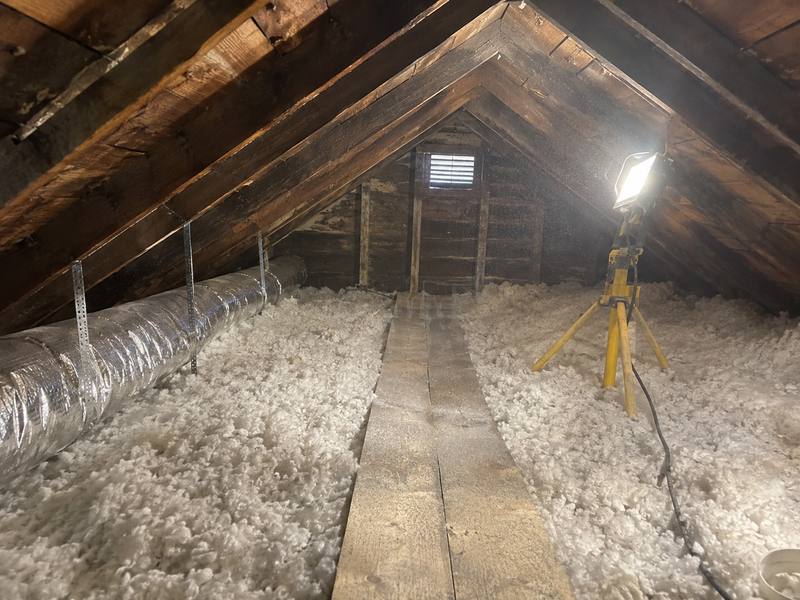
We put in attic insulation in Don Mills, in the M3B and M3C postal codes. Don Mills is about 8 km from us. We look at the attic first, then quote only the work that will make the house warmer and cheaper to heat.
Postwar Don Mills houses from the 1950s and 1960s
Don Mills was built in the 1950s and 1960s as a planned new town, and it became a model for postwar suburbs. That history matters for attic insulation because these homes were insulated to the standards of their decade. If nobody has upgraded your attic, it may still hold only what went in when the house was built, plus whatever a past owner added on top.
If your attic has fibreglass batts laid between the ceiling joists, check how they have held up. Over the decades batts compress and slump away from the joists, which leaves gaps at the edges, and heat goes straight through every one of them. Some older attics have loose-fill vermiculite instead, a grey-brown, pebbly material poured between the joists.
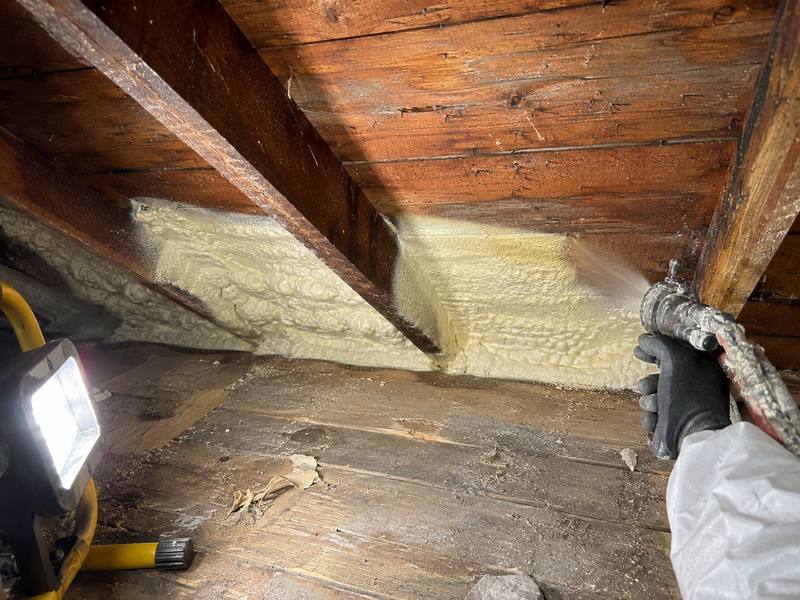
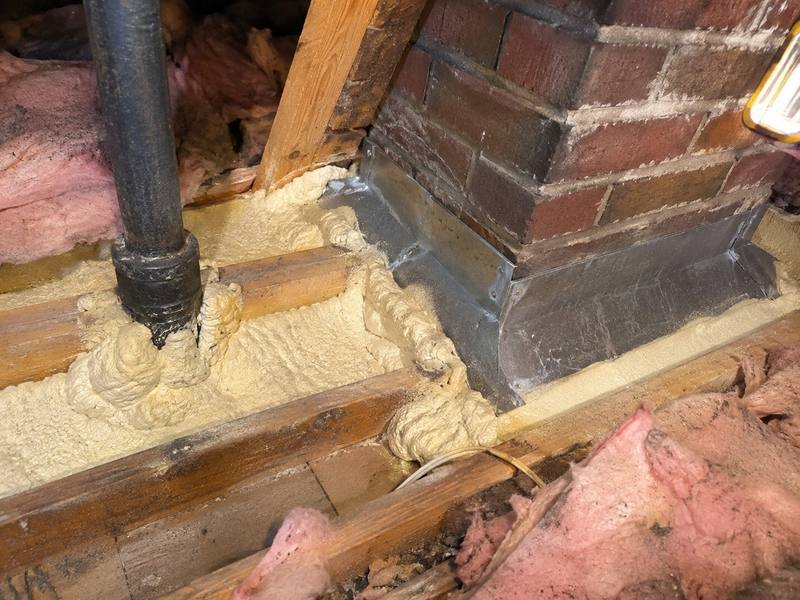
If we find vermiculite in a Don Mills attic, we stop work. We leave it alone and recommend you have it tested by a qualified lab or abatement firm before anything else goes ahead. Old insulation that is wet, matted or damaged by rodents is a different matter. Our attic insulation removal service clears it out, so the attic floor can be sealed and insulated again from a clean start. Where part of the attic is too tight for loose fill to reach, spray foam insulation can seal and insulate that spot in one pass.
Wide houses on square lots
Don Mills lots are square with long street frontages, so the houses sit with their long side facing the street. A wide house has a long run of eaves along the front and back walls, and the eaves are where insulation and airflow fight over the same narrow space.
If your house has soffit vents, outside air comes into the attic there, just above the top of the exterior wall. Good attic ventilation relies on that air coming in low and leaving high through a roof or ridge vent. On its way through, it carries off moisture before it can settle on the underside of the roof deck in winter.
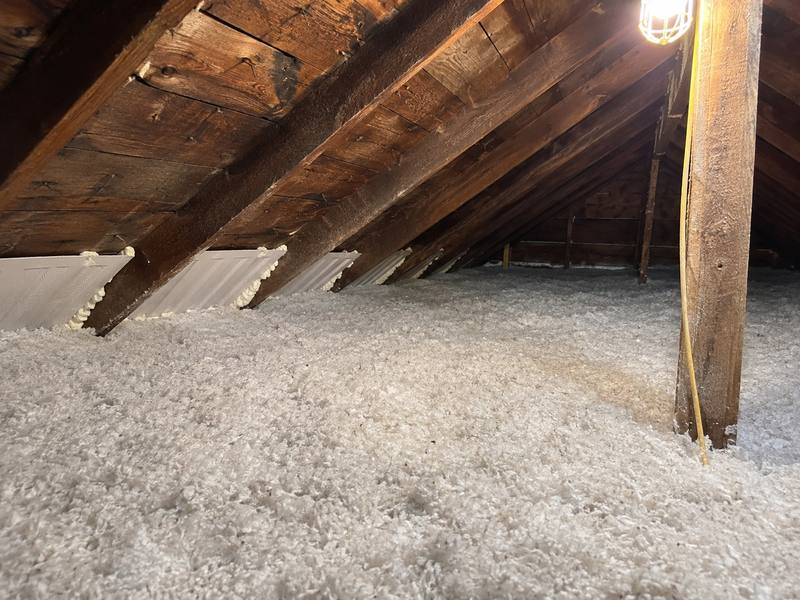
Baffles keep that path open. A baffle is a rigid foam or cardboard channel fixed between the rafters at the eaves, and it holds a clear gap from the soffit vent up into the attic. With baffles in, we can pack blown-in insulation right out to the wall top without burying the vents. A long house has more rafter bays to fit, and any bay that gets missed is a vent the new insulation can block.
Air sealing a postwar ceiling
Air sealing comes before any top-up, because insulation slows heat but doesn't stop moving air. Warm air from the rooms below rises through every gap in the ceiling, and it takes heat and moisture up into the attic with it.
We check light fixtures first. Ceiling boxes and older recessed pot lights leave holes in the ceiling, so we seal around the boxes with foam or caulk. Any pot light that isn't rated for contact with insulation gets a fitted cover before material goes over it.
Wall tops are next. The top plates of interior walls are open to the attic, and air rises out of the wall cavity through gaps along a plate or around the wires and pipes that pass through it. Bath fans get their own check. The duct should run outside, and if it has come loose or ends in the attic, it dumps humid air onto the insulation. We reconnect or extend the duct and seal the fan housing to the ceiling.
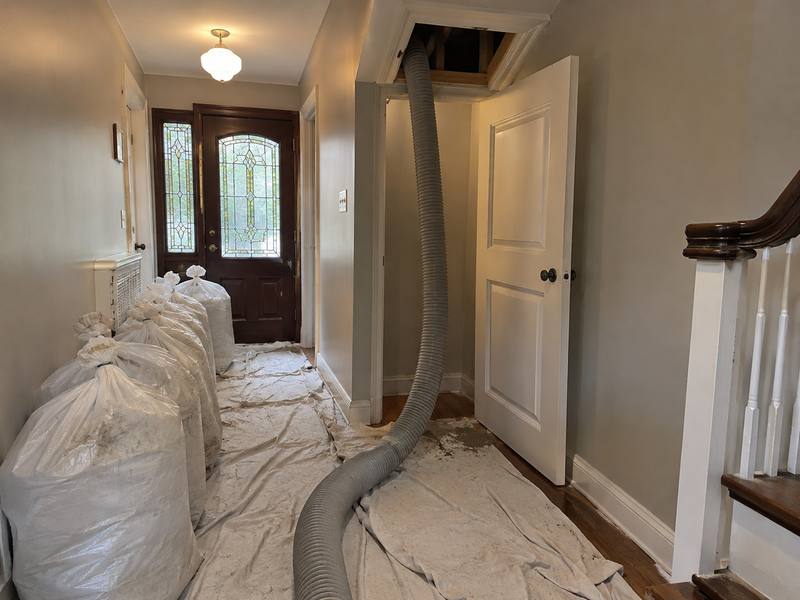
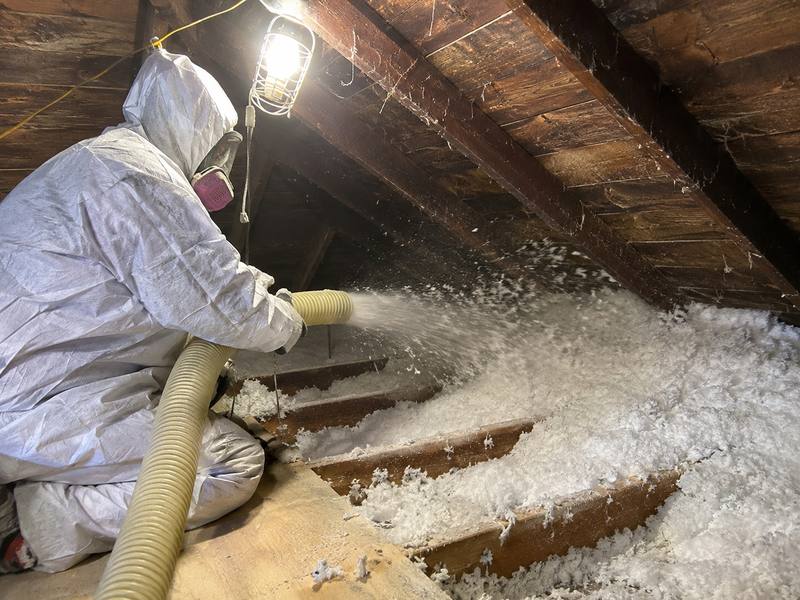
With the air sealing done, we add blown-in attic insulation over the existing layer to the depth your attic needs. The city lists adding or replacing insulation as work that doesn't need a building permit, though zoning rules still apply.
Nearby: Victoria Village, Lawrence Park and Parkview Hill
We also insulate attics in the neighbourhoods around Don Mills. Victoria Village and Parkview Hill are right next door, and Lawrence Park is a short drive west. Each has its own page with notes on the houses there.
Local details for Don Mills
- Postal codes: M3B, M3C
- Distance: About 8 km away in a straight line
- Permit rules: toronto.ca
- Nearby: Victoria Village, Lawrence Park, Parkview Hill
About Don Mills: Don Mills, ON on Wikipedia · Don Mills on Google Maps
FAQ
Insulation questions from Don Mills
A 1950s Don Mills house is probably under-insulated if the attic still has only its original insulation. Standards have gone up a long way since the 1950s and 1960s, and old batts settle and open gaps as they age. The only way to know for your house is to check the depth and condition of what's up there.
We insulate the eaves by fitting a baffle in each rafter bay first, then blowing insulation out to the baffles. The baffles keep a clear channel from the soffit vents into the attic, so the insulation reaches the top of the wall without cutting off airflow. A house with its long side to the street has a long run of eaves, which means more bays to fit.
Yes, a Don Mills attic should be air sealed before a top-up, because new insulation buries the ceiling gaps and makes them hard to get at later. Sealing around light fixtures, wall tops and bath fans keeps warm, moist air from the house out of the attic. Then the added insulation can do its job.

Next step
Request an insulation visit in Don Mills
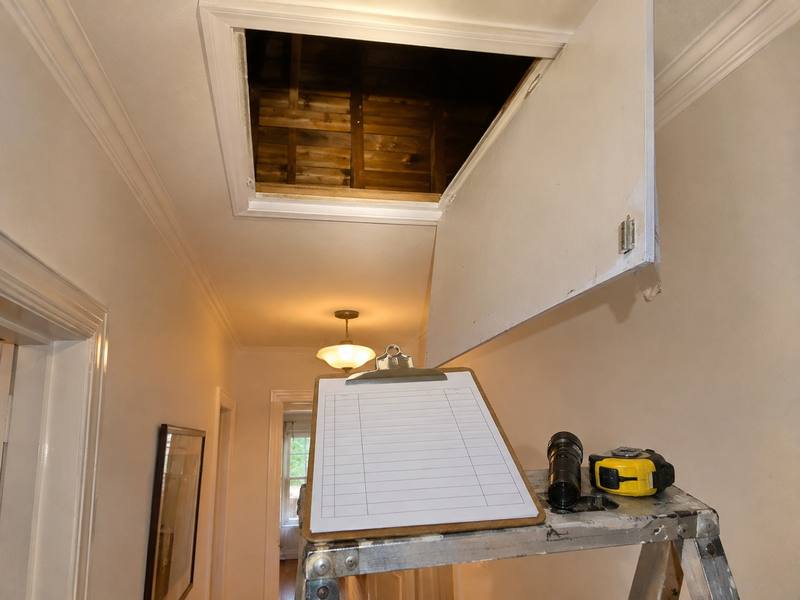
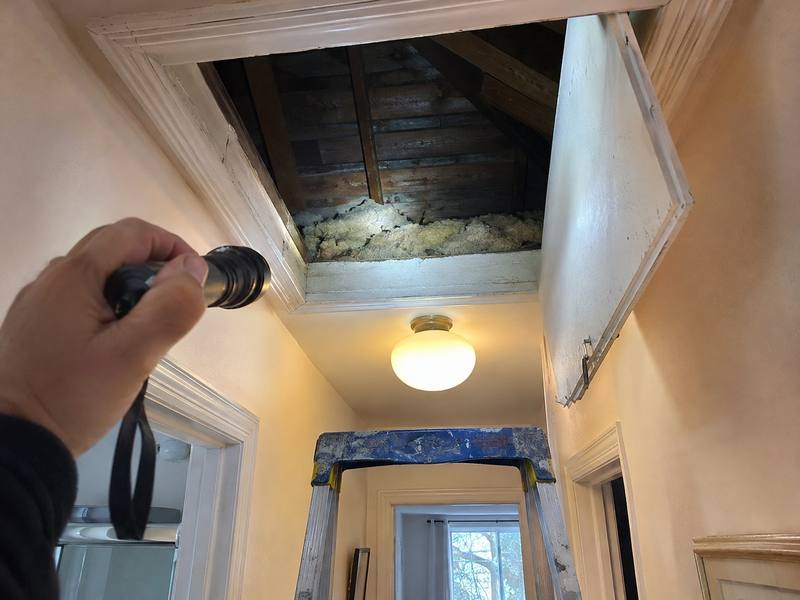
Call us, or send the form with your address and whatever you've noticed upstairs. We'll look at the attic, tell you which of the four outcomes fits, and put the work in a written quote.